
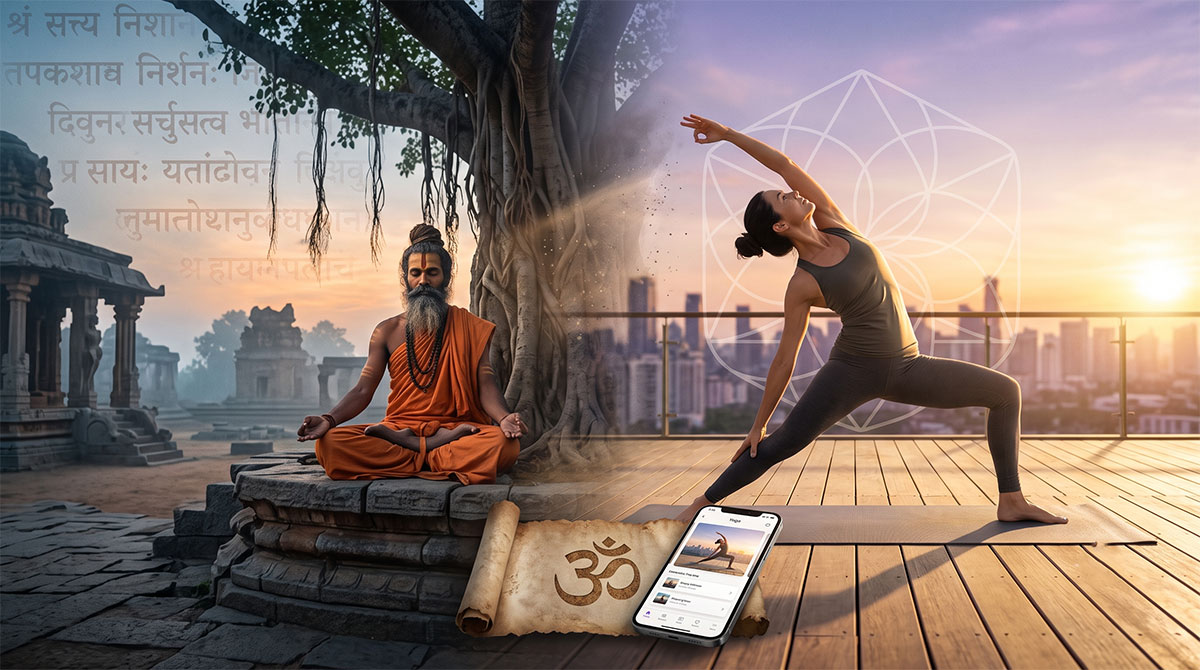
The Ancient Roots: Yoga "Then"
Originally, yoga had very little to do with touching your toes or holding a perfect headstand. Originating in ancient India, it was strictly a mental and spiritual practice.
- The Main Goal: achieving spiritual enlightenment and a deep mind-body connection.
- The Physical Practice: mostly seated meditation. Poses (asanas) were simply meant to prepare the body to sit still for long periods.
- The Vibe: quiet, deeply personal, and heavily focused on breath control and chanting — not unlike the box breathing technique we cover elsewhere on the blog.
The Global Shift: Yoga "Now"
Fast forward to today, and modern yoga has evolved to meet the demands of our fast-paced, high-stress world. While the breathing and mindfulness elements are still there, the focus has shifted heavily toward physical health.
- The Main Goal: building core strength, increasing flexibility, and burning off daily stress.
- The Physical Practice: dynamic movement. Think flowing sequences (Vinyasa), power yoga, and even hot yoga classes designed to make you sweat — you can try a free flow for yourself in Soulful Sessions.
- The Vibe: active, community-driven, and highly accessible to anyone with a mat.
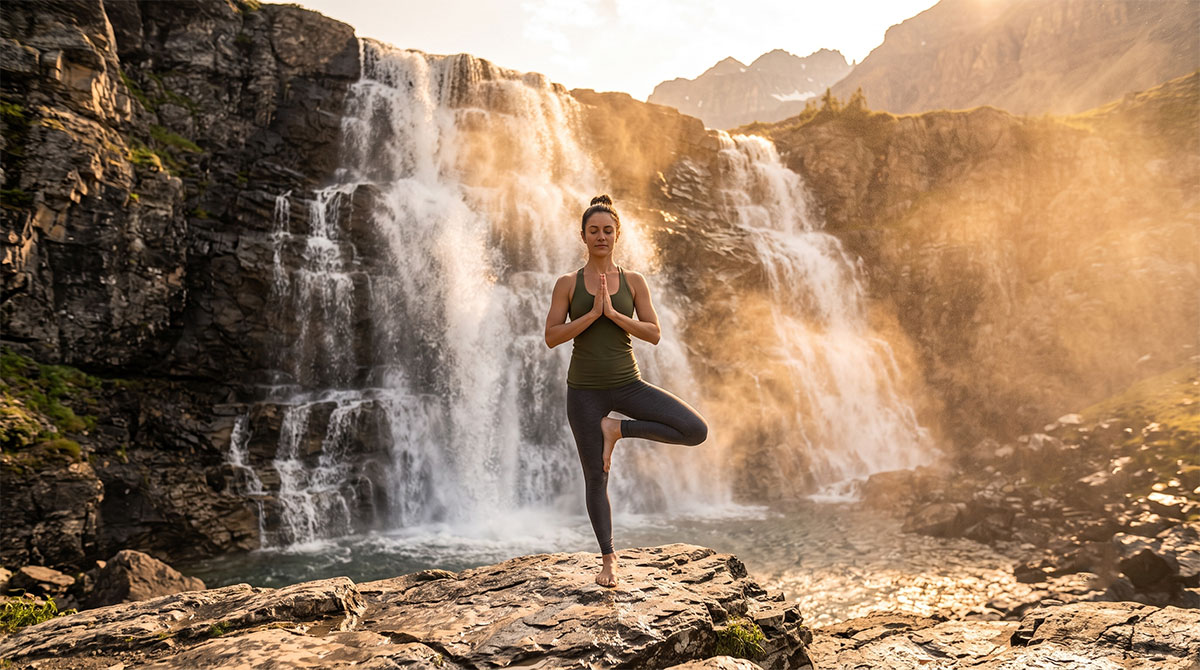
Then vs. Now: A Quick Comparison
| Feature | Ancient Yoga (Then) | Modern Yoga (Now) |
|---|---|---|
| Primary Focus | The mind and spirit | The physical body and fitness |
| Common Postures | Seated meditation | Active flows, standing poses, stretches |
| Setting | Quiet isolation | Group studios, home gyms, online classes |
| Ultimate Benefit | Spiritual awakening | Stress relief, strength, and flexibility |
The Bottom Line
Even though the evolution of yoga has shifted the focus from quiet meditation to physical fitness, the core benefits remain the same. Whether you are chanting in a temple or sweating it out in a modern studio, yoga is still one of the best tools available to quiet your mind and strengthen your body.